July 6, 2026
How Often Should Sewer Lines be Cleaned
- What factors determine how often sewer lines should be cleaned and maintained?
- How can you recognize early warning signs of a developing sewer line blockage?
- What professional methods are used for sewer line cleaning and advanced diagnostics?
- What are the financial risks and costs of neglecting sewer line maintenance?
- What preventative practices help keep sewer lines clear and functioning long-term?
Every homeowner dreads the thought of a raw sewage backup. It is messy, expensive, and a serious health hazard. Your main drain is the unseen workhorse of your property. It carries all wastewater away from your home and into the municipal system. Because it is buried underground, it is incredibly easy to ignore until a catastrophic failure occurs. This leads to the most common question plumbing professionals hear. Exactly how often should sewer lines be cleaned to prevent a disaster?
The answer is not a simple, universal number. It depends heavily on the age of your property, the surrounding landscape, the materials used in your plumbing system, and the daily habits of your household. For a typical single-family home with modern PVC piping and no massive trees near the lateral line, scheduling a professional cleaning every 18 to 22 months is a solid rule of thumb. This proactive approach acts as a baseline preventative measure. It clears out the minor accumulation of soap scum, incidental grease, and organic matter before they calcify or form a total blockage.
However, if your property has older infrastructure, this timeline shrinks drastically. If your home was built before the 1980s and still relies on clay or cast iron pipes, you should strongly consider having your lines inspected and cleaned at least once a year. If you have recently moved into a new property, you cannot rely on the previous owner’s maintenance schedule. It is highly recommended to schedule an immediate video camera inspection. This allows a professional to establish a baseline health report for your lateral line. Knowing the exact condition of the pipe wall allows you to tailor your cleaning schedule to your specific reality rather than relying on guesswork. In this comprehensive guide, we will explore the technical realities of main drain maintenance, the environmental factors that put your pipes at risk, the early warning signs of an impending blockage, and the professional methods used to keep your lines flowing freely.
Key Factors That Dictate Your Maintenance Schedule
Understanding the environmental and structural variables of your property is crucial for effective plumbing maintenance. Several core factors will determine if you need a cleaning every few years or every few months. The material composition of your system dictates its lifespan and its absolute vulnerabilities. Clay pipes were the standard for municipal and residential infrastructure for decades. They are practically immune to chemical degradation from household cleaners. However, they are assembled in very short sections, typically three to four feet long. This means a standard lateral line stretching to the street can easily have dozens of individual joints. Historically, these joints were sealed with basic mortar. Over time, the soil around the pipe naturally shifts due to moisture fluctuations and ground settling. This shifting cracks the rigid mortar, creating microscopic gaps where moisture escapes into the surrounding dirt.
Tree roots are the single greatest enemy of these older systems. Roots exhibit a biological behavior called hydrotropism, meaning they actively seek out moisture and nutrients in the soil. A pipe filled with warm, nutrient-rich water is an absolute magnet for root systems. Once a microscopic, hair-like root breaches a compromised joint, the continuous supply of water causes it to expand massively. Frequent cleaning is the only way to sever these roots before they reach critical mass and completely shatter the clay pipe.
Cast iron is another very common material lauded for its immense structural integrity and sound-dampening qualities. Yet, cast iron is highly susceptible to an internal corrosion process called tuberculation. As wastewater and oxygen interact with the raw iron, bacteria in the water facilitate the rapid growth of iron oxide nodules. These rust mounds grow inward, gradually shrinking the interior diameter of the pipe. A four-inch cast iron pipe can easily be reduced to a two-inch functional opening over several decades. These jagged rust nodules act like a geological cheese grater, snagging toilet paper, hair, and solid waste. Routine maintenance is absolutely crucial for cast iron systems to descale the interior walls and blast away these restrictive nodules before they cause a permanent backup.
On the other hand, modern Polyvinyl Chloride (PVC) and Acrylonitrile Butadiene Styrene (ABS) revolutionized the plumbing industry. These plastic pipes are extruded in long, seamless sections, drastically reducing the number of vulnerable joints. The joints themselves are fused with chemical solvents, creating a continuous, leak-proof bond that roots simply cannot penetrate. While plastic pipes are incredibly low maintenance, they are not invincible. Poor installation can lead to a condition called a belly. If the trench bedding is not perfectly compacted, a section of the plastic pipe can sag over time, creating a permanent dip where water and solid waste pool. Over time, this stagnant waste ferments and hardens, requiring a professional cleaning to push the blockage through the sagging section.
Finally, soil mechanics play a massive, largely misunderstood role in the deterioration of residential infrastructure. Homeowners living in regions with high concentrations of clay soil face unique challenges. Clay is highly expansive. When it absorbs water during heavy rainstorms, it swells significantly. During periods of drought, the clay dries out and shrinks, creating deep fissures in the ground. This continuous cycle of swelling and shrinking acts like a geological vise grip on your buried pipes. The immense pressure can easily snap brittle clay or cast iron joints, leading to misalignments known as offsets. Once a joint is offset, a sharp lip is created inside the pipe. This lip acts as a physical barrier, catching every piece of waste that passes by.
Warning Signs and the Biological Science of Blockages
You do not have to wait for the calendar to tell you it is time for a cleaning. Your plumbing system will usually provide several warning signs before a total failure occurs. Recognizing these symptoms early can save you thousands of dollars in restoration costs. If a single sink is draining slowly, the problem is likely localized to that specific p-trap under the cabinet. However, if your kitchen sink, shower, and bathroom vanity are all sluggish simultaneously, the restriction is located deep within the main lateral line.
Another severe warning sign is a gurgling toilet. When a blockage forms in the main drain, it traps air within the pipe. As water struggles to push past the clog, the displaced air is forced backward and escapes through the nearest vent, which is often your toilet bowl. If your toilet bubbles when you run the bathroom sink or empty the washing machine, a backup is imminent. Unpleasant odors are also a massive red flag. A healthy system utilizes water barriers in the p-traps to keep sewer gases safely out of your living space. If a blockage is disrupting the flow, you will begin to smell raw sewage near your floor drains or out in the yard.
Blockages are rarely just physical obstructions. They are complex chemical and biological formations that thrive in the dark, damp environment of a drain. Fats, Oils, and Grease (commonly referred to as FOG) are the primary architects of the most severe blockages. When you pour warm bacon grease down the drain, it is a flowing liquid. However, as it travels through the cool underground pipes, a chemical reaction occurs. The fats undergo a process similar to saponification, reacting with calcium and other minerals naturally present in your local water supply. This reaction transforms the grease into a dense, soap-like solid. This waxy substance coats the entire circumference of the pipe, capturing other debris like a sticky trap until the pipe is completely occluded. This is exactly why running hot water after pouring grease down the drain is a complete myth; it merely pushes the problem slightly further down the line before it inevitably solidifies.
Biofilm and sludge are also major contributors to total system failure. Every time you shower or wash dishes, organic matter, dead skin cells, soap, and bacteria enter the drain. In areas with slow flow, these elements combine to form biofilm. Biofilm is a thick, slimy matrix of bacteria that adheres stubbornly to the pipe walls. It is highly resistant to standard chemical drain cleaners. As the biofilm matures over the years, it catches heavier debris, slowly building a thick layer of black sludge that produces incredibly foul odors.
Seasonal changes heavily impact subterranean plumbing as well. During the spring, trees and shrubs enter an aggressive growth phase. They require massive amounts of water and nutrients to support new foliage. This is the time when root hydrotropism is at its absolute peak, making spring the most common season for severe root-related blockages. If you rely on annual maintenance, scheduling your cleaning in the late spring is a highly strategic move. Conversely, periods of prolonged, heavy rain saturate the ground in the fall. If your older lateral line has cracks, this saturated groundwater will seep into the pipe, a phenomenon known as Inflow and Infiltration. The excess water overwhelms the capacity of the pipe, causing the municipal main to surcharge and potentially backing up raw sewage directly into your basement.
Professional Cleaning Methods and Advanced Diagnostics
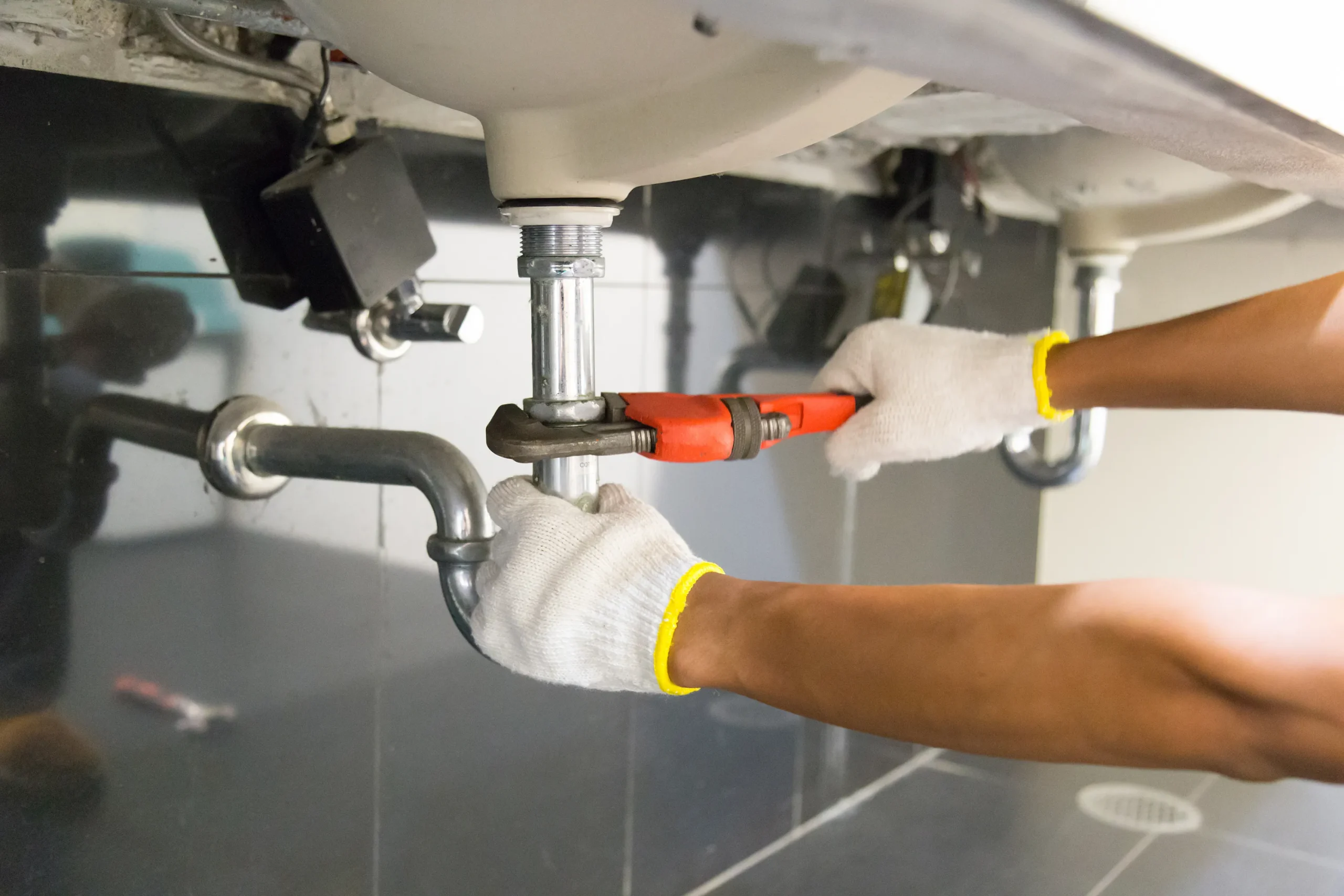
When you decide it is time to clear the lines, professionals have two primary methods at their disposal. The choice between them depends entirely on the nature of the blockage and the exact physical condition of the pipe. Blindly running a cable down a drain is an outdated and potentially dangerous practice. Modern plumbers now utilize sophisticated diagnostic tools to assess the exact health of the system before any cleaning begins.
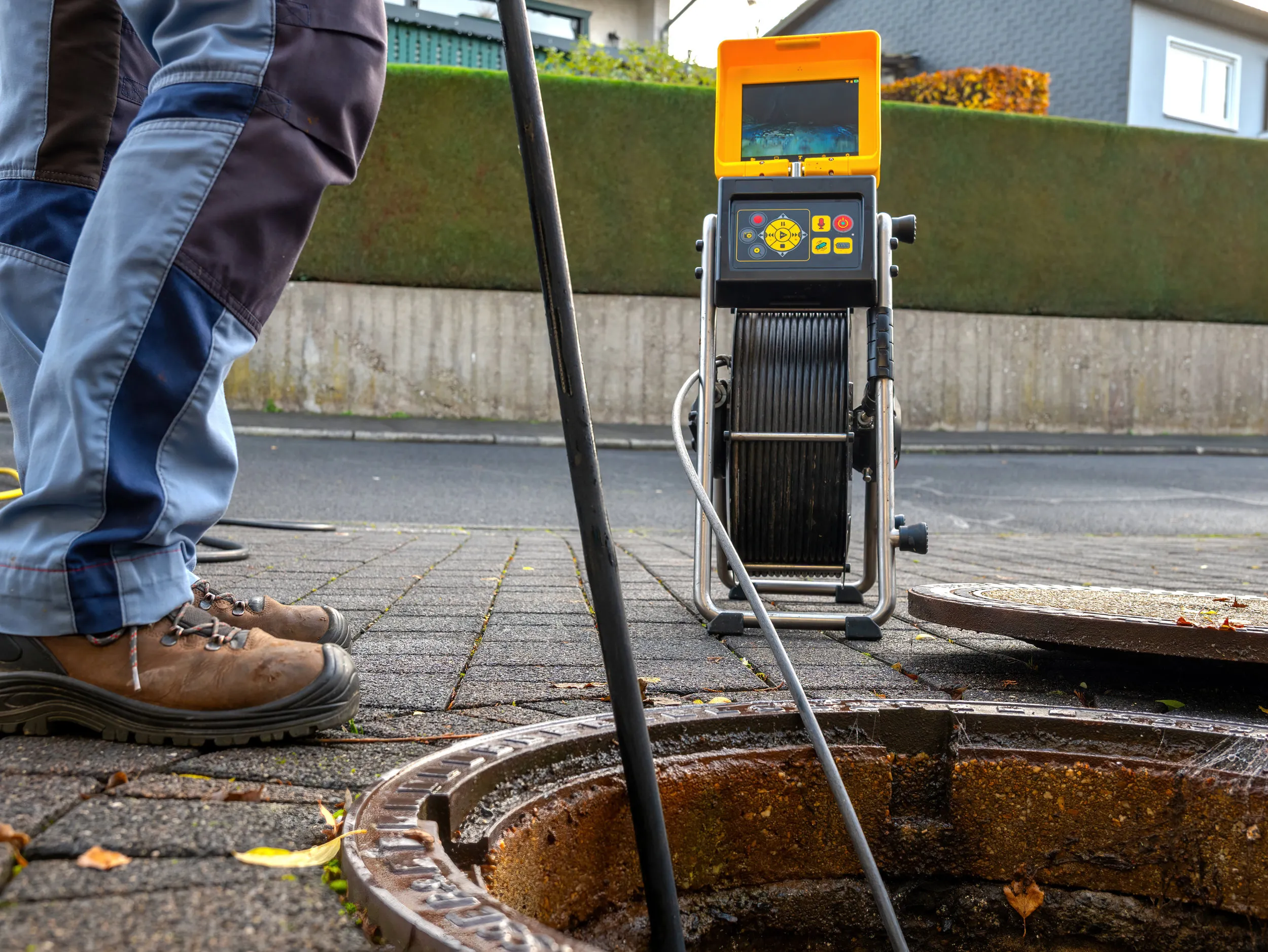
The most critical tool in a modern professional’s arsenal is the high-resolution closed-circuit television inspection camera. Attached to a flexible fiber-optic push rod, these waterproof cameras travel the entire length of the lateral line, transmitting a live video feed to a monitor above ground. This allows the technician to pinpoint the exact location, nature, and severity of a blockage. A camera inspection completely removes all the guesswork. It reveals if a slow drain is caused by a simple grease clog, a massive root intrusion, or a catastrophic pipe collapse that requires full excavation.
Once the issue is securely diagnosed, the traditional method of clearing the line is mechanical snaking or rodding. A professional utilizes a heavy-duty, motorized steel cable with a specialized cutting head attached to the end. The cable is fed down the cleanout and physically breaks through solid obstructions. This method is highly effective for localized, solid blockages. For example, if you live in the Midwest and are dealing with heavy root intrusion in old clay pipes, professional sewer rodding Chicago style utilizing aggressive, heavy-duty cutting blades is often the first line of defense to restore flow quickly. The blades violently scrape the sides of the pipe, tearing through dense root masses and dislodging trapped paper. However, rodding only cuts a hole through the blockage. It does not wash away the residual sludge clinging to the pipe walls.
If rodding is a targeted strike, hydro-jetting is a total pipe reset. This process uses specialized hoses to blast water at highly pressurized levels (often between 3,000 and 4,000 PSI) directly into the line. The jetting nozzle features forward and reverse-firing streams that not only break apart tough clogs but thoroughly scour the interior walls of the pipe. Hydro-jetting is the superior choice for removing heavy grease buildup, severe mineral scale, and the stubborn sludge that a metal cable leaves behind. It essentially restores the pipe to a fresh, factory-like interior condition. However, a plumber must perform a camera inspection before jetting, as the extreme water pressure can instantly destroy older, severely deteriorated pipes.
The internet is flooded with supposedly miraculous, low-cost hacks for clearing blocked drains. Unfortunately, the vast majority of these viral tips are completely ineffective for main line blockages and can actually cause permanent damage to your infrastructure. The most common myth is the baking soda and vinegar method. When combined, these two ingredients create a rapid chemical reaction that produces carbon dioxide gas and a satisfying bubbling action. While this fizz might help deodorize a stinky garbage disposal, it possesses absolutely zero mechanical power to break through a dense mass of tree roots or dissolve a calcified fatberg deep within your lateral line.
Another incredibly dangerous viral trend is pouring boiling water down the drain to melt grease clogs. While boiling water will technically melt soft fats, it causes immense thermal shock to your plumbing fixtures. Pouring boiling water into a cold porcelain toilet bowl or an aged underground clay pipe will cause the material to shatter instantly due to the rapid temperature change. Furthermore, if you pour boiling water into a modern PVC pipe, the extreme heat can warp the plastic and melt the chemical cement holding the joints together, creating severe subterranean leaks that will cost thousands to repair.
The Financial Cost of Neglect and Real Estate Implications
When deciding how often to schedule a professional cleaning, many homeowners base their decision purely on immediate costs. It is incredibly common to view a plumbing service call as an unnecessary expense, especially if the drains are currently functioning. However, viewing preventative maintenance as a luxury is a dangerous financial trap.
To understand the true return on investment, we must compare the cost of routine care to the staggering expenses associated with a catastrophic failure. A standard preventative hydro-jetting or professional mechanical rodding typically costs a few hundred dollars. This small investment ensures your pipes remain clear and structurally sound for another one to two years. On the other hand, a completely neglected line will eventually cause a raw sewage backup into your home. The immediate aftermath requires specialized biohazard cleanup crews to extract contaminated water, remove destroyed flooring, cut away saturated drywall, and sanitize the affected living space. This restoration alone can cost several thousand dollars. Furthermore, if the blockage was caused by a collapsed pipe that requires emergency excavation, you are suddenly looking at a major construction project. Bringing heavy machinery into your yard to dig a deep trench, secure the municipal permits, and replace the broken pipe can easily escalate into a five-figure bill. By committing to a regular cleaning schedule, you are actively purchasing an insurance policy against these financially devastating emergencies.
One of the most persistent and costly misconceptions in the plumbing world involves property lines. When a backup occurs, many homeowners immediately assume the municipal water reclamation district is responsible for the repair. The reality of plumbing jurisdiction is much more complicated and places the bulk of the burden squarely on the property owner. Every municipal system features a massive, high-capacity main pipe running underneath the public street. Your home connects to this main via the private lateral. In the vast majority of municipalities, the homeowner owns and is entirely responsible for the entire length of the lateral. This ownership extends all the way from the foundation of the house, under the front lawn, beneath the public sidewalk, and straight into the connection point at the city main. If a massive parkway tree planted by the city crushes your line under the sidewalk, you are still legally and financially responsible for the repair. Knowing the exact condition of your pipe all the way to the city tap allows you to manage risks before they become your financial burden.
This financial liability is especially critical during real estate transactions. Purchasing a new home is one of the largest financial investments you will ever make. While standard home inspections cover the roof, electrical panels, and HVAC systems, they almost always ignore the subterranean plumbing. A standard inspector will run water in the sinks and flush the toilets to ensure they drain, but they do not possess the specialized equipment required to see what is happening out in the yard. This massive oversight leaves thousands of new buyers burdened with catastrophic bills within their very first month of homeownership. Before you sign closing documents on any property, you must hire a licensed expert to perform an independent video camera inspection. Do not rely on the seller’s word regarding the health of the plumbing. A freshly painted house and staged interior can easily hide a completely collapsed cast iron lateral line underground.
Preventative Best Practices and Hiring the Right Professional
To maintain optimal flow and avoid emergency service calls, homeowners must adopt a layered approach to plumbing care. By breaking down maintenance into manageable tasks, you ensure the long-term health of your entire system. On a daily basis, you must master grease management. Never pour cooking oil, bacon grease, or heavy dairy products down the kitchen sink. Always use cold water when running the garbage disposal to prevent trace fats from melting and coating the pipes. Additionally, install inexpensive mesh drain catchers in every shower and bathtub in your home, emptying them after every use to prevent hair from entering the system. Preventing this debris from entering the lateral line in the first place is the absolute easiest form of preventative maintenance.
Despite what the packaging claims, so-called flushable wipes do not disintegrate in water like standard toilet paper. They are woven with synthetic fibers that retain their shape and strength. When these wipes hit a snag or a root in the main line, they accumulate rapidly. Stick to the golden rule of plumbing. The only things that should ever be flushed are human waste and standard toilet paper. To bridge the gap between your biennial professional cleanings, plumbing experts heavily advocate for the use of biological and enzymatic drain treatments. When you introduce these biological agents into your drain system once a month, they digest the organic waste accumulating on your pipe walls. The enzymes act immediately to break down complex molecules like proteins, starches, and animal fats without using caustic chemicals that burn through your pipes.
When the time comes to hire a professional for your main line maintenance, your choice of contractor will dictate the success of the project. The plumbing industry is vast, and the gap in skill, equipment, and ethics between a massive corporate franchise and a highly trained master plumber is immense. Never allow an unlicensed handyman to operate heavy machinery inside your lateral line. In the event they break a cable inside the pipe or shatter a joint, an uninsured worker leaves you entirely liable for the massive excavation costs. Always request the contractor’s state license number and verify it against your local government database. Furthermore, insist on seeing a certificate of insurance that includes both general liability and workers compensation coverage.
A reputable expert relies on data, not guesswork. If a plumber suggests aggressive rodding or expensive jetting without first performing a thorough camera inspection, you must decline the service. The contractor should encourage you to watch the live video feed alongside them, explaining the specific anomalies, cracks, or root masses they are identifying. Whether you are looking for a highly rated plumber in Chicago who understands the intricacies of historical municipal tie-ins, or you are simply typing sewer services near me into a search engine, always prioritize companies that offer total camera transparency. You want a technician who can show you exactly what is happening underground, explain the difference between a minor scale buildup and a collapsed joint, and recommend the exact preventative service your home needs to remain safe, dry, and fully functional.