April 24, 2026
When to Call a Plumber for a Clogged Drain
- How Does Your Home’s Drainage System Actually Work?
- What Are the Most Common Causes of Blocked Pipes?
- Why Can DIY Drain Tools and Chemical Cleaners Make the Problem Worse?
- Why Do Plumbing Problems in Chicago Require Local Expertise?
- What Are the Best Ways to Keep Your Drains Clean and Healthy?
- What Warning Signs Mean It’s Time to Call a Professional Plumber?
- Why Is Choosing the Right Plumbing Partner Important for Long-Term Peace of Mind?
The sound of water slowly rising in your kitchen sink or bathtub is enough to make any homeowner pause. It is a moment of immediate frustration. You might reach for a plunger, or perhaps you will pour a store-bought chemical cleaner down the drain in the hope that it dissolves the obstruction. While minor clogs are a routine part of home ownership, persistent or severe drainage issues often signal a much deeper problem that requires expert intervention.
Understanding the distinction between a minor inconvenience and a significant plumbing emergency is vital. Not every slow drain needs a professional, but ignoring the warning signs can lead to catastrophic water damage, expensive pipe replacements, and long-term sanitation issues. In this comprehensive guide, we will explore the nuances of home drainage systems, identify when you are in over your head, and provide clear guidance on when it is time to stop the DIY experiments and reach out for professional help.
Understanding Your Home’s Drainage Ecosystem
To understand why drains clog, you must first understand how they work. Your home plumbing system is not just a series of pipes, but an intricate network designed to move wastewater away from your living space using gravity and proper venting.
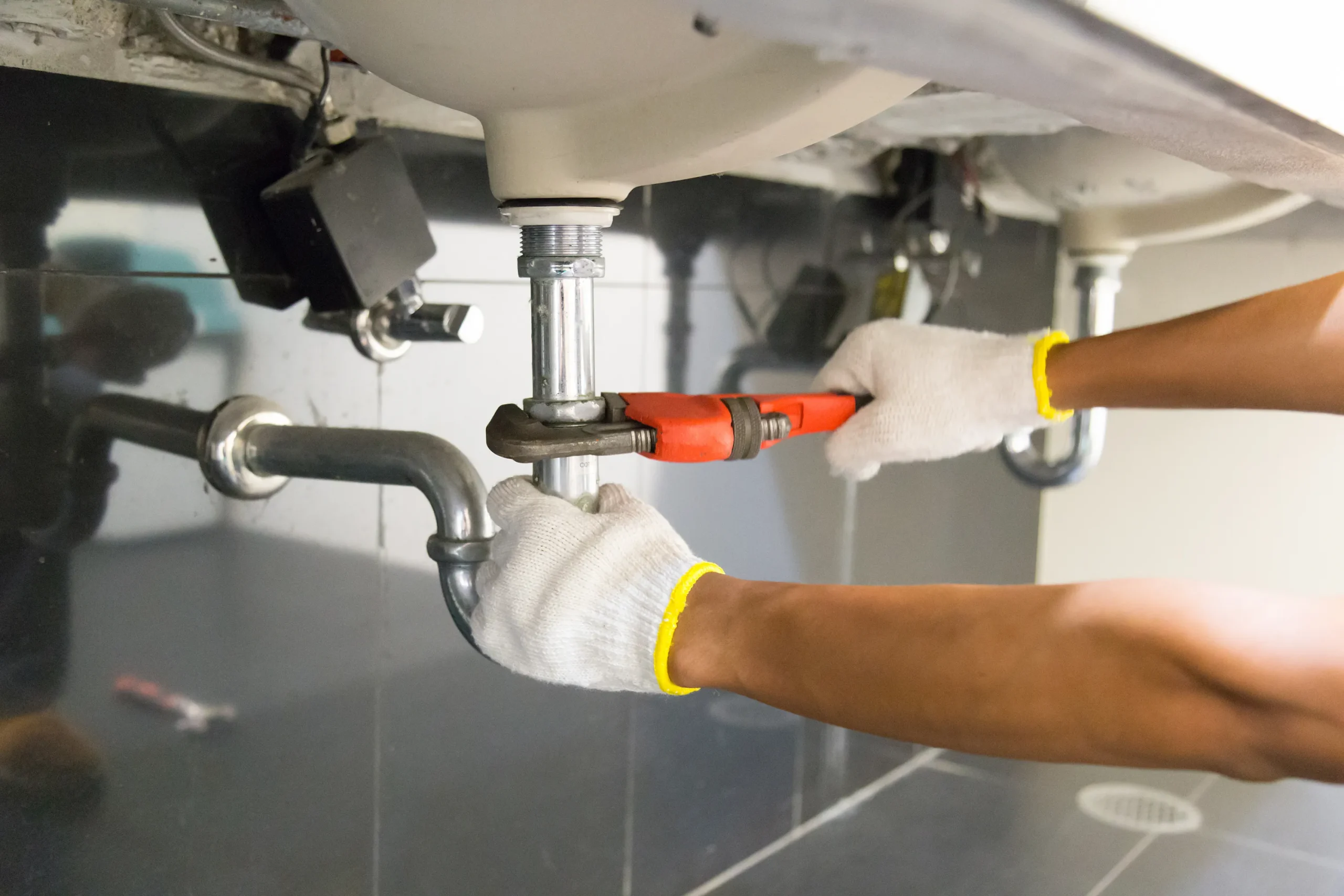
Most homes rely on a gravity-fed system. When water flows down your drain, it enters a curved pipe known as a P-trap. This U-shaped section of pipe is designed to hold a small amount of water at all times. This water seal serves a critical purpose: it prevents sewer gases from entering your home. From the P-trap, water travels through branch lines into the main drain line, which eventually carries everything out to the municipal sewer or your private septic system.
This system is surprisingly delicate. It relies on consistent airflow and the correct pitch of the pipes. If air cannot escape or move through the system, the water will struggle to flow. This is where many homeowners are surprised to learn about the importance of the vent stack. Located on your roof, the vent stack allows air to enter the plumbing system, which equalizes pressure and allows water to flow smoothly. If the vent is blocked by leaves or debris, your sink might drain slowly even if the pipe itself is perfectly clear.
When you look at your sink, you are only seeing the very end of a complex journey. When a clog occurs, it is usually because the material has accumulated at a constriction point, a bend, or a joint in the pipe. It is also important to distinguish between a fixture blockage and a main sewer lateral blockage. A fixture blockage affects one sink or toilet. A main line blockage is a whole house event where water backups occur in multiple drains simultaneously. In older homes, corrosion, calcification, and tree root intrusion can change the interior diameter of the pipe, making it far more likely for debris to catch and build up over time. If your plumbing system is older, you are fighting a battle against the physical degradation of the infrastructure, not just against the materials you put down the drain.
The Common Culprits: What Really Blocks Your Pipes
Before we discuss when to call for help, it is helpful to look at what usually causes these problems. Understanding the “why” helps you prevent future issues.
In the kitchen, the primary enemy is FOG (Fats, Oils, and Grease). Many people make the mistake of pouring liquid grease down the drain, assuming that because it is a liquid, it will wash away. However, as that grease travels through the pipes, it cools. When it cools, it solidifies into a thick, waxy substance that coats the interior walls of your pipes. Over time, this coating narrows the pipe, allowing food particles to stick and accumulate, eventually forming a stubborn, rock-hard obstruction.
In the bathroom, the culprits are quite different. Hair is the most common issue. While a few strands here and there are inevitable, hair acts like a net in your pipes, catching soap scum, toothpaste, and other debris. Soap scum itself is a significant problem. Many bar soaps are made with animal fats, which react with the minerals in hard water to create a substance known as soap curd. This curd is sticky, insoluble, and builds up on pipe walls just as effectively as kitchen grease.
Speaking of hard water, this is a significant factor in Chicago homes. The mineral content in our local water supply contributes to the buildup of scale inside pipes. This scale is rough, which makes the interior of your pipes act like sandpaper, catching debris that would otherwise wash away. Foreign objects are another frequent source of professional service calls. Children may accidentally drop toys into a toilet, or items like wet wipes, even those marketed as flushable, often fail to break down properly in the sewer system. These items do not dissolve. They snag on pipe joints and accumulate other waste behind them, leading to a sudden and total blockage that requires mechanical removal.
The Pitfalls of DIY Tools and Chemicals
There is a fine line between a task you can handle with a plunger and a situation that demands a trained expert.
If you have a slow-moving drain in a single fixture, you are likely in the DIY zone. Using a high-quality cup plunger or a flat plunger, depending on the fixture, can often dislodge an obstruction located near the trap. Similarly, if you can access the P-trap manually, removing it and cleaning out the debris is a standard maintenance task that does not necessarily require a professional.
However, the situation changes drastically when you notice systemic issues. If you flush a toilet and the water bubbles up in the bathtub or shower, you are dealing with a blockage in the main line or a vent issue. This is not a surface-level clog; it is a fundamental disruption of your plumbing system. When multiple fixtures start acting up simultaneously, the problem is deep in the stack or the main sewer line. At this stage, attempting to use store-bought chemicals is not only ineffective but potentially harmful.
Chemical drain cleaners are often a homeowner’s first instinct, but they are frequently the worst choice. These products rely on caustic chemicals or strong acids to burn through obstructions. While they might clear a path for water, they can also eat away at your pipe walls, especially if you have older metal pipes or aging PVC. If the chemical does not work, you are left with a drain full of caustic, hazardous standing water that a plumber must then deal with. It poses a significant safety risk to any professional who comes to service your home.
Furthermore, many homeowners attempt to rent high-powered drain snakes or augers from local hardware stores. While these machines can be effective in the right hands, they are also dangerous. Without the proper training, it is easy to accidentally puncture a pipe, damage a drain fixture, or lose the snake head inside the pipe, which makes the repair significantly more expensive than it would have been if you had called a professional from the start.
Why Professional Plumbing Services in Chicago Require Local Expertise
If you reside in an urban environment, you are dealing with a unique set of challenges. The local infrastructure, the age of the housing stock, and even the seasonal weather patterns play a role in how your plumbing behaves.
When looking for plumbing services Chicago homeowners need to prioritize companies that understand the local landscape. Chicago’s plumbing systems often have to deal with intense winter conditions where freezing temperatures can impact outdoor lines or vents. Furthermore, many neighborhoods are historic, featuring plumbing systems that have been renovated multiple times over decades. This creates a disjointed style of plumbing where different materials like cast iron, galvanized steel, copper, and modern PVC may be connected in ways that are not always standard or compatible.
A professional who is familiar with the area will know what to expect when they walk through your front door. They will be prepared for the likelihood of dealing with corroded cast iron pipes or outdated sewer access points. They are also well-versed in local building codes. When a drain issue requires more than just a quick snake, you want a professional who knows the regulations regarding sewer line repair and replacement, ensuring the work is done correctly the first time.
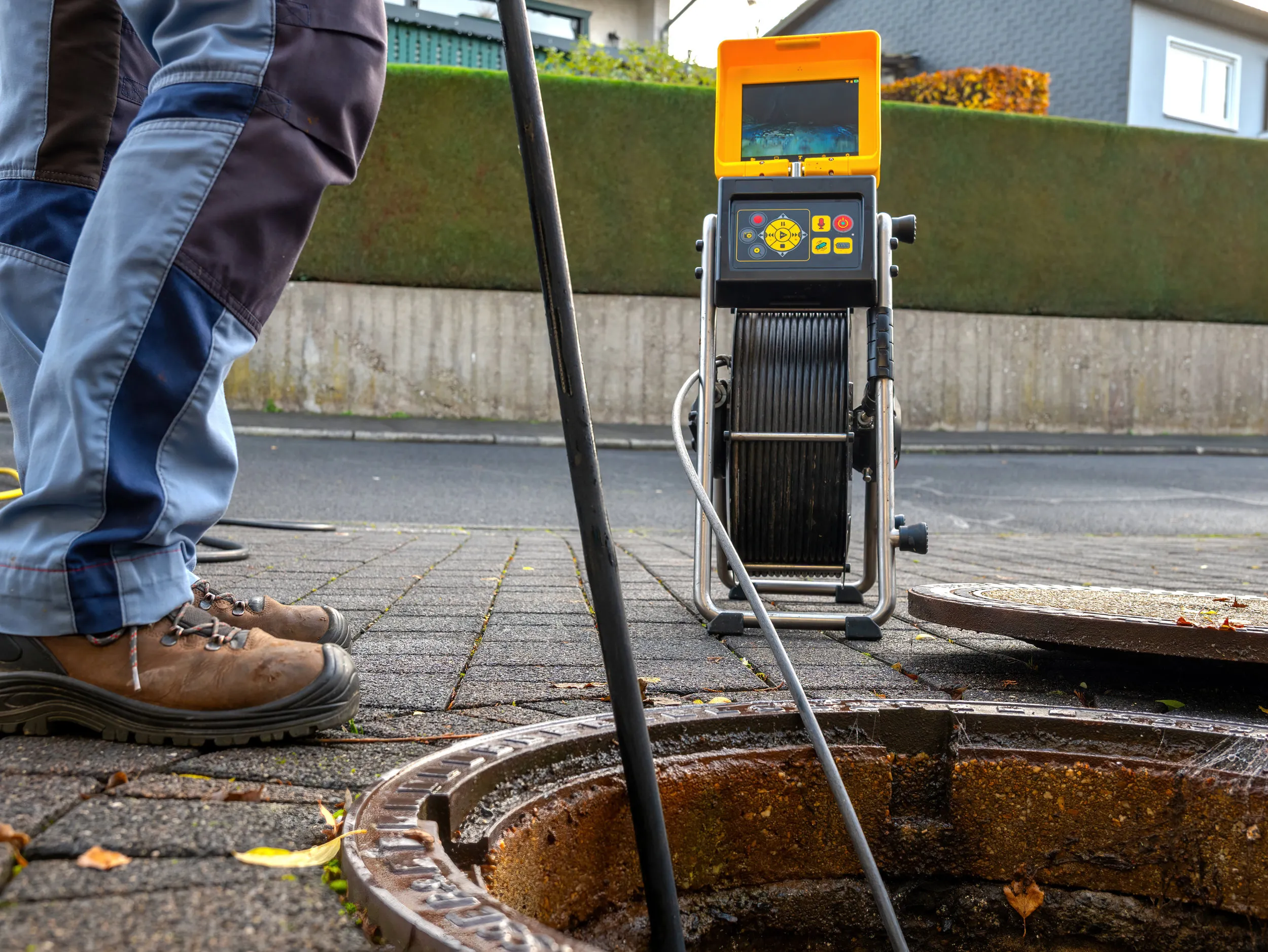
Professional services offer more than just a drain snake. They provide access to advanced technology, such as video camera inspections. This tool allows the plumber to feed a small, high-definition camera into your pipes to see exactly what is causing the blockage. Is it a mass of roots from a nearby tree? Is it a collapsed section of clay pipe? Is it a massive accumulation of grease? Seeing the problem takes the guesswork out of the repair. It ensures that the plumber provides a permanent solution rather than a temporary fix that will only clog again in a few months.
Best Practices for Maintaining Healthy Drains
Once your drains are clear, the goal is to keep them that way. Preventing future clogs is significantly easier than clearing them.
First, install high-quality mesh strainers in all your sinks, showers, and tubs. These are incredibly inexpensive and highly effective at catching hair and food particles before they ever enter your drainage system. Make it a habit to empty these strainers regularly.
Second, be mindful of what you put down your kitchen disposal. Even if a disposal is powerful, it does not mean it can handle everything. Avoid putting stringy vegetables, eggshells, or coffee grounds into the disposal. These items can create significant blockages further down the line. Additionally, keep a trash can nearby to dispose of oils and fats. Never pour them into the sink. If you do accidentally spill grease, try to absorb as much as possible with a paper towel before washing the area with hot water and soap.
Third, consider a routine flush. Every few weeks, pouring a pot of boiling water down your kitchen drain can help melt away minor grease accumulations before they harden into a solid clog. However, be cautious with this method if you have PVC pipes or porcelain sinks, as extreme heat can sometimes cause issues. When in doubt, speak with a professional about safe, ongoing maintenance practices for your specific home setup.
When to Call: Recognizing the Signs of Trouble
There are several clear indicators that it is time to stop searching for hacks and call in the experts.
First, observe the drainage speed. If the drain is consistently slow, even after you have cleared the immediate trap, you have a deeper issue. Second, listen to your pipes. Strange gurgling sounds coming from your toilet or sink after you run water elsewhere are a sign that air is struggling to move through the system, which often indicates a blocked vent stack. Third, look for backups. Any time water comes up from one drain when you use another, you have a cross-connection blockage that requires immediate professional attention.
Another sign that it is time to call is recurring clogs. If you find yourself cleaning the same sink every week, you are not fixing the problem. You are managing the symptom. A professional will be able to identify why the clog keeps returning, whether it is due to an improper pipe slope, a structural defect, or a deeper blockage that your tools cannot reach.
Finally, do not ignore foul odors. If you smell rotten eggs or stagnant water coming from your drains, it often indicates a dry P-trap, a blocked vent, or a more serious sewer line breach. These smells are not just unpleasant; they are signs that sewer gases are entering your living environment, which can pose health risks to your family.
When you reach out to a professional, you are investing in the longevity of your home. A clean, well-functioning drain system is essential for hygiene and structural integrity. Water damage from a backed-up pipe can cause mold growth, rot floorboards, and damage drywall, leading to costs far higher than the price of a professional service call.
Partnering with Ark Property Solutions for Peace of Mind
When you reach the point of calling for help, you want a team that values your time, your home, and your budget. You want an expert who diagnoses the root cause rather than just applying a band-aid.
Whether you are dealing with a persistent kitchen sink clog that has defied your best efforts, or you are worried about the state of your home’s main sewer line, you need a partner who understands the intricacies of the trade. If you are currently browsing the web for a plumber near me, you are likely feeling the stress of a situation that is spiraling out of control. It is important to remember that not all plumbers are the same. Look for a team that emphasizes transparency, clear communication, and diagnostic precision.
At Ark Property Solutions, we understand that a plumbing issue is more than just a mechanical malfunction; it is a disruption to your daily life. We focus on providing high-quality solutions that address the source of the blockage. Whether we are using high-pressure hydro-jetting to clear years of grease buildup or performing a precise inspection to identify a structural issue, our goal is to restore your peace of mind and the full functionality of your home.
We take pride in our ability to navigate the complexities of local plumbing systems, ensuring that your home remains comfortable and safe throughout the seasons. Instead of risking damage to your pipes with harsh chemicals or spending hours struggling with a task that requires industrial-grade tools, allow our professionals to handle the heavy lifting. By catching these issues early and letting a trained expert intervene, you save yourself the stress and expense of emergency repairs later down the road.
If you are facing a drainage challenge, do not wait for the situation to worsen. A small, slow drain today can become a major flood tomorrow. Reach out to a professional service provider who can offer the diagnostic tools, the experience, and the commitment to quality service that your home deserves. Protect your investment and restore your comfort by partnering with experts who put your plumbing health first. When you choose a local partner who truly cares about the community, you ensure that your home stays in top condition for years to come.